

Arabian polytheism, also known as pre-Islamic Arab paganism, was a belief system practiced by the people of the Arabian Peninsula before the advent of Islam in the 7th century. This polytheistic religion was characterized by the worship of various deities, spirits, and natural forces.
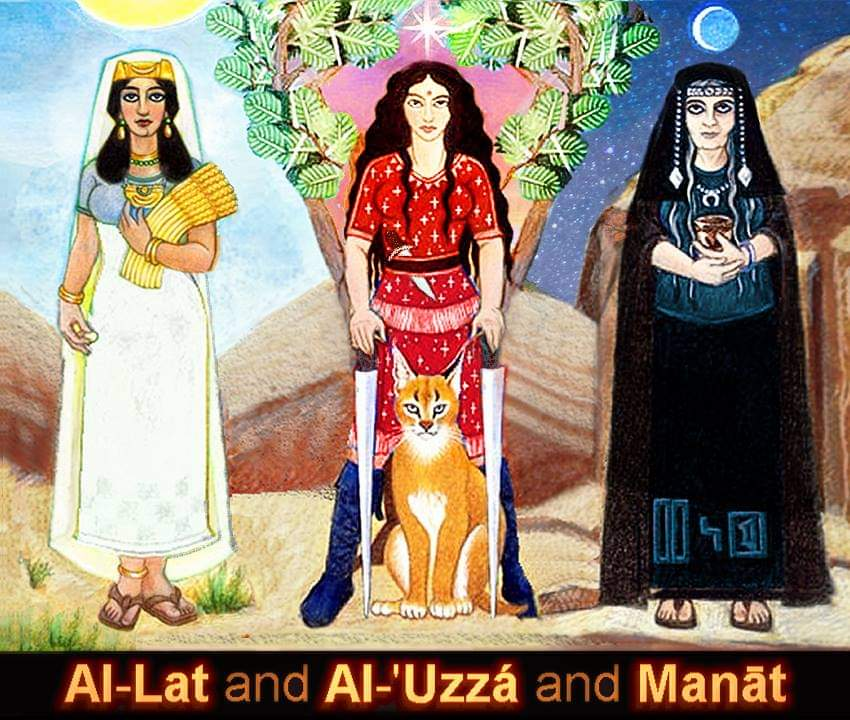
The most widely revered deity in Arabian polytheism was Allah, who was considered the supreme god and creator of the universe. Other important deities included Al-Lat, the goddess of fertility; Al-Uzza, the goddess of power; and Manat, the goddess of fate. These deities were often associated with natural elements such as the sun, moon, and stars.
Arabian polytheism also involved the veneration of spirits, jinn, and ancestor worship. The practice of making pilgrimage to sacred sites, such as the Kaaba in Mecca, was prevalent.
With the rise of Islam and the teachings of the Prophet Muhammad, Arabian polytheism gradually declined, and the Arabian Peninsula embraced monotheism. Today, Islam is the predominant religion in the region, but remnants of Arabian polytheistic beliefs and practices can still be found in some cultural traditions.
 Digital Information Publishing