

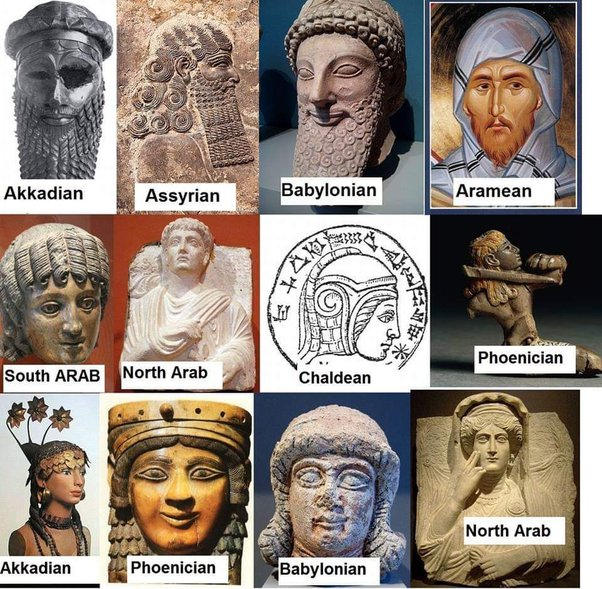
Ancient Semitic religion refers to the religious beliefs and practices of the Semitic-speaking peoples in the ancient Near East, including the Phoenicians, Hebrews, Assyrians, Babylonians, and others. These religions were polytheistic in nature, with a pantheon of gods and goddesses that varied between different Semitic cultures.
One of the most well-known ancient Semitic religions is Judaism, the religion of the Hebrew people. In Judaism, the belief in one God, known as Yahweh, is central. The Hebrew Bible, or Tanakh, contains sacred texts that outline the religious laws, history, and beliefs of Judaism.
Another important ancient Semitic religion is Canaanite religion, which was practiced in the ancient land of Canaan (modern-day Israel, Palestine, Lebanon, and Jordan). Canaanite religion included worship of deities such as Baal, El, Asherah, and Anat. Rituals often involved sacrifices and offerings to appease the gods and ensure fertility and prosperity.
The ancient Semitic religions also had an influence on other civilizations and religions. For example, the Phoenician religion, which was practiced by the ancient Phoenician civilization, worshipped deities like Baal, Astarte, and Melqart. These deities were later adopted and incorporated into the religious beliefs of the ancient Greeks and Romans.
Overall, the ancient Semitic religions played a significant role in the cultural, religious, and historical development of the ancient Near East and continue to have a lasting impact on modern-day religions and civilizations in the region.
 Digital Information Publishing