

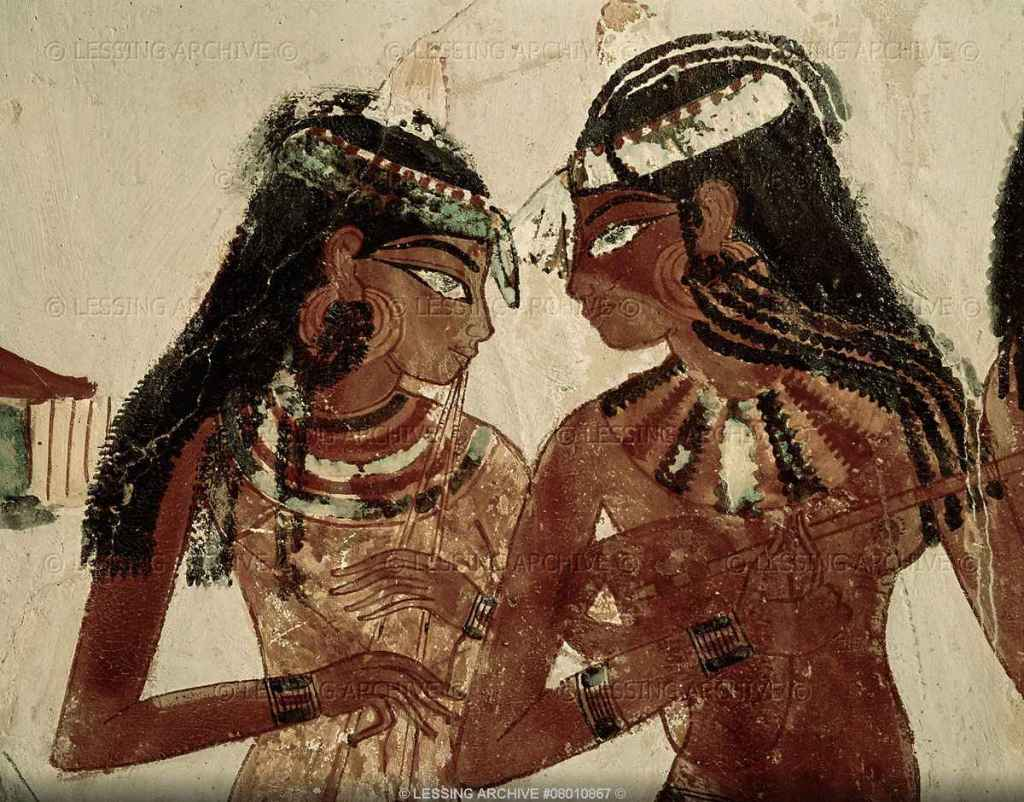
The European consensus concerning the ancient origins of Egypt in the 1700s largely reflected the prevalent racial and cultural biases of the time. Many European scholars and thinkers of that era, influenced by colonialism and racial theories, tended to downplay or ignore the contributions of black Africans to ancient Egyptian civilization.
Names Of Scholars
- Jean-François Champollion: Known for his work in deciphering the Rosetta Stone, Champollion’s efforts significantly contributed to our understanding of ancient Egyptian history and language.
- Thomas Young: Regarded for his studies on the Rosetta Stone and the disambiguation of hieroglyphs, Young made significant strides in the interpretation of ancient Egyptian texts and scripts.
- Johann Joachim Winckelmann: Notably recognized for his contributions to art history and archaeology, Winckelmann’s works had an impact on the understanding of ancient Egyptian art and culture in the context of European scholarship.
- Pierre Montet: Renowned for his excavations in Egypt, Montet’s discoveries shed light on various aspects of ancient Egyptian civilization, though they were influenced by the prevailing views of his time.
- Sir William Matthew Flinders Petrie: An eminent archaeologist, Petrie’s meticulous excavations and publications provided valuable insights into the material culture and chronology of ancient Egypt.
These scholars, among others, played pivotal roles in shaping the European consensus on the ancient origins of Egypt, reflecting the biases and perspectives of their time.
Books
Egypte Ancienne
Metu Neter Volume 1
Haplo Groups In Africa
Haplogroups in Africa are diverse and varied, reflecting the rich genetic heritage of the continent. The study of haplogroups has provided insights into the ancient migrations and population dynamics of African peoples. Some of the notable haplogroups found in Africa include L1, L2, L3, and others within the broader macro-haplogroup L, which are prevalent in various regions across the continent. These genetic markers have greatly contributed to our understanding of human evolution and demographic history in Africa. Additionally, haplogroup E1b1a is associated with the Bantu expansion, one of the most significant migration events in African history, shaping the genetic landscape of large parts of sub-Saharan Africa. The diversity of haplogroups in Africa underscores the complex and intricate history of its populations, highlighting the continent’s importance in the study of human genetics and ancestry.

