

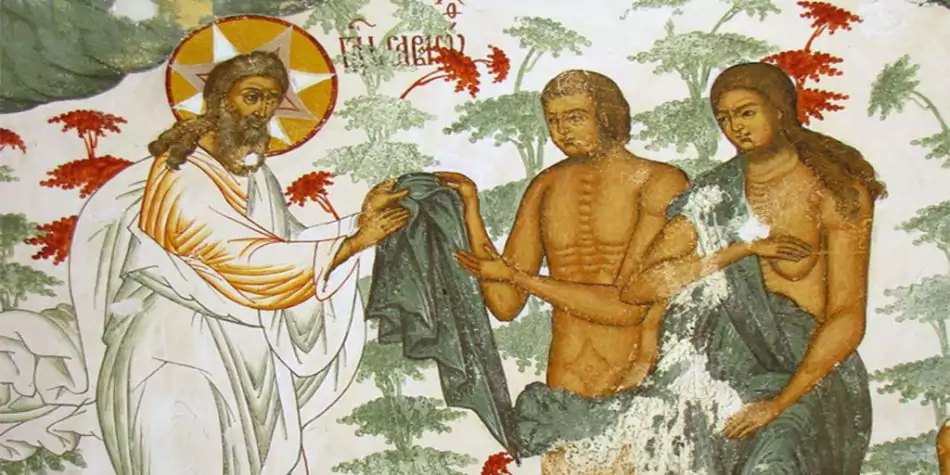
In various religious and cultural traditions, there are beliefs and stories about the garment or covering of Adam being passed down through generations. According to some traditions, Adam’s garment symbolizes a connection to the divine and is seen as a symbol of wisdom and spiritual insight.
In Islamic tradition, there are references to Adam’s seamless robe being passed down to prophets, including Abraham and Muhammad. It is believed to hold significant spiritual and healing powers.
In Christian folklore, there are tales of Adam’s robe being passed on to various figures, often associated with miraculous events and divine protection.
Regardless of the specific tradition, the symbolism of Adam’s garment represents a connection to the divine and the transmission of spiritual authority and wisdom through generations. These stories often serve as a reminder of the continued presence of the divine in the world.
First Animal Sacrifice As Atonement For Adam And Eve Sin
According to religious texts, the first animal sacrifice as atonement for Adam and Eve’s sin is a significant event symbolizing the need for repentance and the shedding of blood for the forgiveness of sins. In the Abrahamic traditions, this act foreshadows the ultimate sacrifice of Jesus Christ as atonement for humanity’s sins. This narrative underscores the concept of vicarious atonement and the idea of redemption through sacrifice, which holds spiritual and symbolic importance in various religious and cultural contexts.
The symbolic act of the first animal sacrifice serves as a foundational element in the theological understanding of sin, atonement, and divine grace, resonating across different religious traditions and shaping beliefs about repentance and forgiveness.
The Bible recounts that after Adam and Eve sinned, they became aware of their nakedness and fashioned garments from fig leaves to cover themselves. However, when they heard the sound of the Lord God walking in the garden, they realized their vulnerability and made coverings from the skin of a slain animal. This act demonstrates the first instance of animal sacrifice and the use of animal skins as garments to cover Adam and Eve’s shame, symbolizing the consequence of sin and the need for atonement. The significance of this event resonates throughout religious and cultural traditions, illustrating themes of repentance, forgiveness, and the provision of divine covering for human inadequacy.
The utilization of goat skins specifically is not directly mentioned in the biblical account, but the broader concept of animal skins being used as garments for Adam and Eve encapsulates the symbolic and theological importance attributed to this act across various religious beliefs and cultural interpretations.
Robe Of Light
In Genesis 3:21, it is written:
“And the Lord God made garments of skin for Adam and his wife, and clothed them.
REFERENCES TO THE BRITISH MUSEUM on Ancient dress codes:
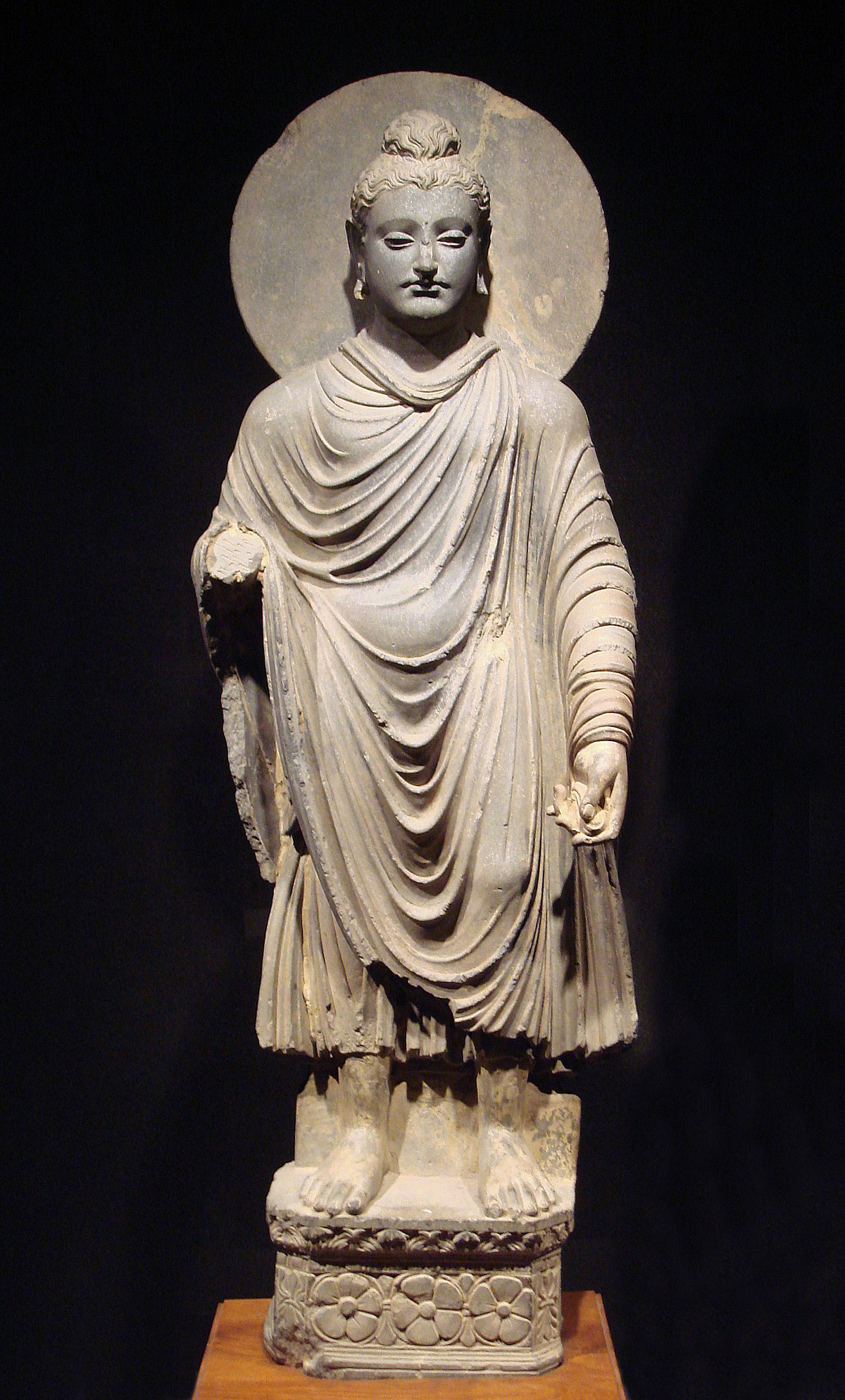
The term “melammu” refers to a concept in ancient Mesopotamian culture, particularly Babylonian and Assyrian. It is often associated with the radiance or divine illumination that is attributed to gods, kings, and heroes. The “melammu” was a symbolic representation of the divine favor and authority bestowed upon these figures. It was believed to set them apart and mark them as recipients of divine grace or protection.
In ancient Mesopotamian art and literature, the “melammu” is depicted as a radiant halo or aura surrounding the head of deities, rulers, and sometimes even priests. This luminous halo signified the individual’s special connection to the divine realm and their elevated status.
The concept of “melammu” is an essential aspect of understanding the religious and cultural beliefs of ancient Mesopotamia, shedding light on the way these societies perceived divine favor and the authority of their leaders.
For further exploration of ancient dress codes and their symbolic meanings, the references to the British Museum on this topic could provide valuable insights.
Names Of Figures Adam’s Garment Was Passed On To
Seth
Noah
Ham
Nimrod
Esau
Jacob
Joseph
 Digital Information Publishing