

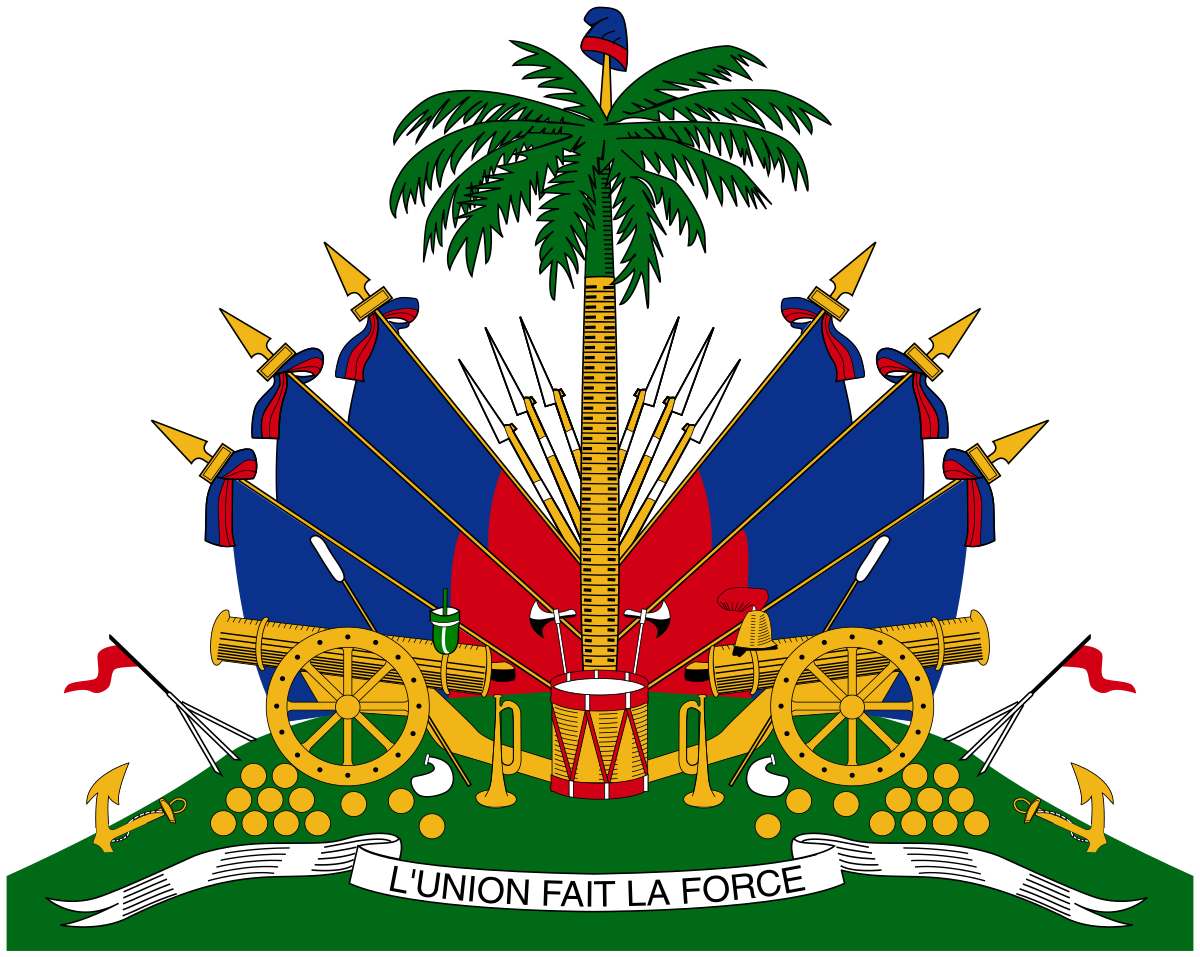
Haiti’s legislative body consists of the Chamber of Deputies and the Senate. The Chamber of Deputies has 119 members who are elected by popular vote to serve four-year terms. The Senate is made up of 30 members who also serve four-year terms. The legislative branch is responsible for making and passing laws, as well as overseeing the actions of the executive branch. The legal system in Haiti is based on a civil law system, which is largely derived from the Napoleonic Code. Additionally, Haiti’s constitution plays a crucial role in shaping the legislative framework of the country.
Napoleonic Code
The Napoleonic Code, also known as the French Civil Code, was established under Napoleon Bonaparte in 1804. It aimed to consolidate different legal traditions in France into a single legal system, with a focus on clarity and uniformity. This legal code significantly influenced many civil law jurisdictions worldwide, including Haiti, where it has played a pivotal role in shaping the country’s legal system. Its impact extends to various aspects of law, including property, contracts, and individual rights.
The Napoleonic Code’s enduring influence on legal systems underscores its significance in the development of modern civil law.
Civil Law
Civil law is a legal system based on a comprehensive set of laws codified into a single framework. It emphasizes the interpretation and application of these laws to resolve disputes between individuals and organizations. Unlike common law systems, which rely on judicial decisions and precedent, civil law is rooted in written laws and statutes.
In civil law jurisdictions, the legal system is typically based on a detailed civil code that covers areas such as contracts, property, family law, and inheritance. This code serves as the primary source of law, guiding the resolution of legal conflicts through the application of its provisions.
Civil law systems are prevalent in various countries around the world and are influenced by historical legal traditions, such as the Napoleonic Code in France and its widespread impact on legal systems globally.
Human Rights
Human Rights
Human rights are fundamental entitlements and freedoms that are inherently possessed by all individuals, regardless of their nationality, ethnicity, gender, or other characteristics. These rights encompass a broad spectrum of protections, including civil, political, economic, social, and cultural rights, which are essential for human dignity and well-being.
Civil and political rights encompass the rights to freedom of expression, association, and religion, as well as the right to a fair trial and the prohibition of torture and arbitrary detention. Economic, social, and cultural rights cover entitlements such as the right to work, education, adequate standard of living, and participation in cultural life.
The protection and promotion of human rights are integral to fostering equitable and just societies, and international human rights law serves as a framework for upholding these rights at the global level. Organizations and treaties, such as the Universal Declaration of Human Rights, the International Covenant on Civil and Political Rights, and the International Covenant on Economic, Social and Cultural Rights, provide a foundation for the protection and advancement of human rights worldwide.
Respect for human rights is a cornerstone of democracy, the rule of law, and social progress, and it requires the commitment of governments, organizations, and individuals to ensure the dignity and equality of all people.
 Digital Information Publishing