
Introduction
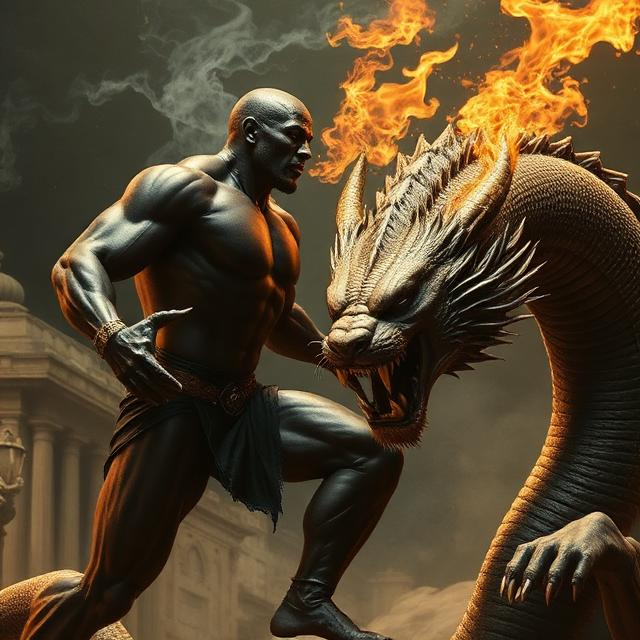
The story of Adam and Yaldabaoth spans various religious and philosophical traditions, particularly within Gnosticism and early Christian narratives. Each figure represents different facets of creation, humanity, and divine authority.
Adam
- Origin: In Gnosticism and early Coptic Monks context, Adam is often regarded as the first human created by the Demiurge Yaldaboth a false god in his image. It is unclear where this happened and where Adam was at the time. Some other texts say Adam was in the heavens before being cast to Earth by the Archons.
- Symbolism: Adam symbolizes innocence, potential, and humanity’s intrinsic connection with the divine.
- Narrative Role: Adam’s story includes his creation, the Garden of Eden, Liberation from the Archons, Eve.
Yaldabaoth
- Origin: In Gnostic texts, Yaldabaoth is often identified as a demiurge—a false god who creates the material world. He is depicted as blind or ignorant to the higher spiritual realms. Due to Sophia’s Fall.
- Symbolism: Yaldabaoth represents the flawed aspects of creation, ignorance, and the entrapment of souls within the material world.
- Narrative Role: As a creator, Yaldabaoth is seen as an antagonist in many Gnostic stories, presenting obstacles for souls striving to gain knowledge (gnosis) and return to the true divine source.
Conflict and Themes
- Creation vs. Ignorance: The tension between Adam and Yaldabaoth highlights the theme of creation versus the inherent flaws of the material world.
- Divine Knowledge: Adam’s quest for knowledge and self-awareness contrasts with Yaldabaoth’s ignorance, showcasing the Gnostic belief in the necessity of spiritual enlightenment.
- Human Desire for Liberation: The stories often emphasize humanity’s desire to transcend the limitations set by Yaldabaoth, seeking a return to a purer, more divine state of existence.
Yaldabaoth’s Mistake
Breath of Life
Introduction
The concept of the “Breath of Life” is significant across various religious and philosophical contexts, often symbolizing the divine spark of existence and the connection between humanity and the divine. This essay explores the meanings and implications of this concept.
Adam and the Breath of Life According to the Apocryphon of John
In the Apocryphon of John, the story of Adam receiving the “breath of life” is very different from the version in Book of Genesis. It reflects a Gnostic worldview, where creation is flawed and spiritual awakening is the true goal.
🧠 The Gnostic Creation Context
According to the text, the material world is not created by the highest God, but by a lesser being called Yaldabaoth (also known as the Demiurge). He and his rulers (Archons) create Adam as a physical body—but it is initially lifeless and inert.
🌬️ The “Breath of Life” in the Apocryphon of John
Here’s the key twist:
- The rulers try to animate Adam but cannot give him true life.
- The divine spark—a piece of the higher, true God—must enter Adam for him to live.
What actually happens:
- The higher divine realm (often associated with Sophia) tricks Yaldabaoth.
- Yaldabaoth is persuaded to breathe his own power (spirit) into Adam.
- When he does this, he unknowingly transfers divine essence into Adam.
👉 This act:
- Animates Adam
- Gives him consciousness and awareness
- Makes him greater than his creators (the Archons)
⚡ Why This Matters in Gnosticism
This “breath” is not just physical life—it is:
- A divine light / spark trapped in the human body
- The source of intelligence and spiritual awakening
- The reason humans can achieve gnosis (hidden knowledge) and transcend the material world
🔥 Key Difference from Genesis
- In Genesis, God directly gives life to Adam as a benevolent act.
- In the Apocryphon of John, the breath is:
- Accidental (from the Demiurge’s perspective)
- A theft of divine power
- The beginning of humanity’s potential to escape the false material world
🧩 Big Idea
The “breath of life” in this text is really about awakening:
Humans are not just bodies—they carry a hidden piece of the divine, and realizing this truth is the path to liberation.
Yaldabaoth’s Persistence To Take Back The Breath Of Life from Humanity
In Gnostic texts (like the Apocryphon of John), Yaldabaoth:
- Accidentally infused humans with divine essence
- Realizes humans now have something greater than him
- Becomes threatened by their potential to awaken and transcend his control
So his “effort to take back the breath” is symbolic of:
1. Control Over Humanity
He and his servants (the Archons) try to:
- Keep humans distracted, ignorant, or trapped in materialism
- Prevent spiritual awakening
2. Suppression of Knowledge (Gnosis)
“Taking back the breath” doesn’t mean literally removing air—it means:
- Blocking access to true knowledge (gnosis)
- Keeping the divine spark dormant
3. Fear of Human Potential
Humans, with the divine spark, can:
- Recognize the illusion of the material world
- Escape Yaldabaoth’s domain
That makes humanity a threat to his authority.
🧠 The Deeper Meaning (Psychological / Philosophical)
Many modern interpretations see this myth less as literal beings and more as metaphor:
- Yaldabaoth = ego, false authority, or limiting systems
- Breath of life = consciousness, awareness, inner truth
- The “struggle” = the human journey between:
- ignorance vs awakening
- control vs freedom
⚖️ Bottom Line
Yaldabaoth’s “persistence” isn’t about physically reclaiming breath—it represents:
- A cosmic struggle over human consciousness
- The tension between illusion and awakening
- The idea that something within us is divine, powerful, and hard to suppress
 Digital Information Publishing