

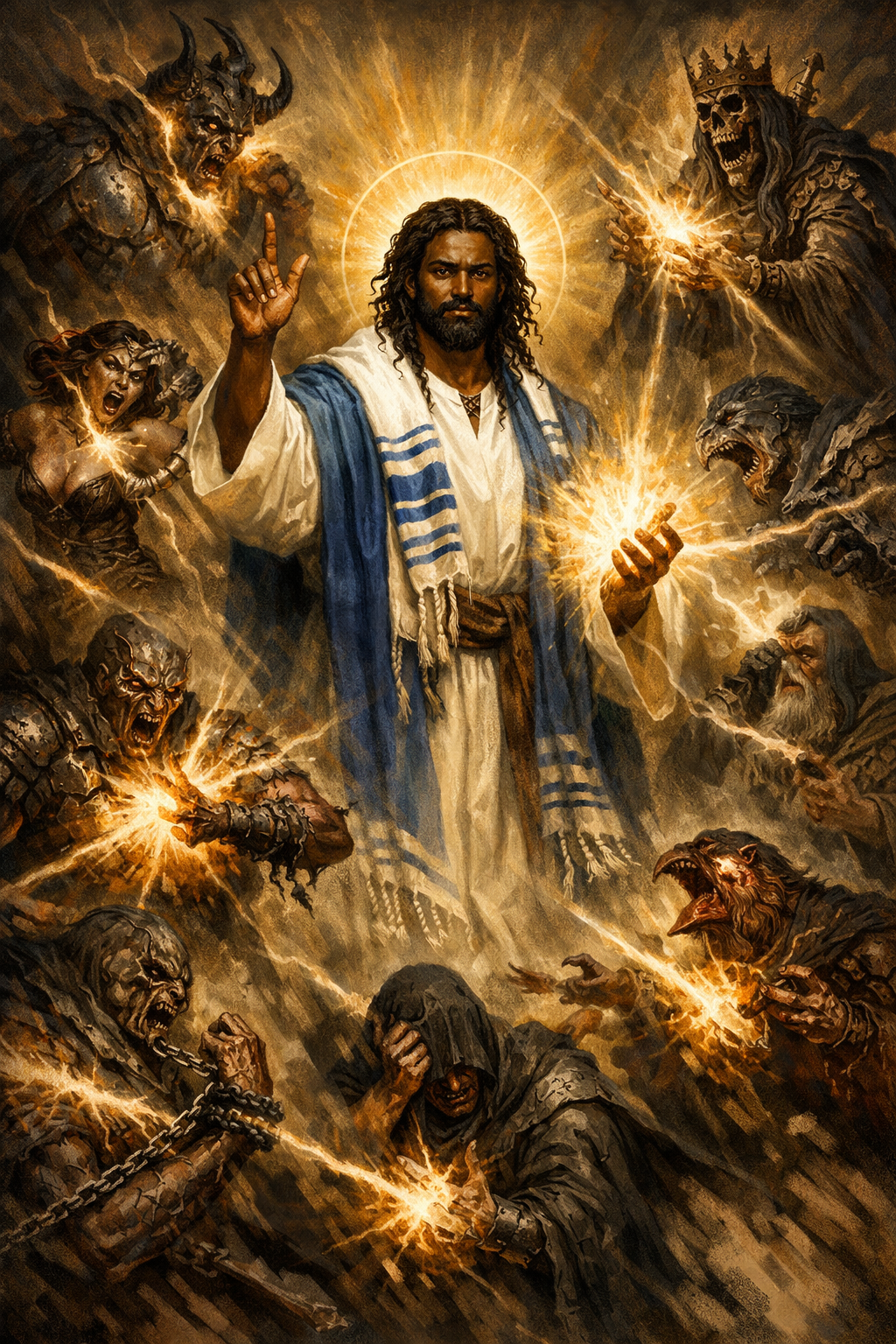
Rabbi Jesus vs the 12 Archons: The (First) Apocalypse of James
The First Apocalypse of James, a gnostic text, offers a rich tapestry of theological and philosophical ideas, contrasting figures and symbols that can lead to deeper interpretations.
Overview of the Text
The First Apocalypse of James is attributed to the early Christian mystic community and portrays an intimate dialogue between Jesus and his disciple James. This narrative suggests a confrontation not only of faith and doctrine but also of existential and metaphysical significance.
Rabbi Jesus
- Role as Teacher: Rabbi Jesus embodies the ideal teacher, imparting esoteric wisdom to James. He represents spiritual awakening and enlightenment.
- Messianic Figure: In this text, he represents the culmination of prophetic tradition and emphasizes the importance of personal revelation and understanding.
- Confrontation with Evil: Jesus arms James with knowledge to confront malevolent forces, symbolized through archons, representing ignorance and false authority.
The 12 Archons
- Symbol of Authority: The Archons often represent cosmic rulers or deities that impose ignorance on humanity. They are associated with the material world and the obstacles one must overcome in the pursuit of spiritual truth.
- Obstruction of Knowledge: Each Archon presents a challenge that hinders human awakening and knowledge. They attempt to manipulate and control the soul’s journey.
- Spiritual Warfare: The archons labor to maintain their hold over the human experience, acting as antagonists against the awakening spirit represented by Rabbi Jesus.
Key Themes
- Knowledge vs. Ignorance: The core conflict revolves around the enlightenment represented by Jesus and the barriers erected by the archons.
- Empowerment through Revelation: Through the teachings of Jesus, James—and by extension, the reader—is empowered to confront and transcend these obstacles.
- Mystical Experience: The text emphasizes personal spiritual experiences over dogmatic beliefs, updating the relationship between the divine and humanity.
Jesus Seized By Roman Army In Gethsemane Jerusalem
Jesus Seized By Roman Army In Gethsemane Jerusalem
The arrest of Jesus in Gethsemane marks a profound moment in the narrative of the New Testament, encapsulating themes of betrayal, sacrifice, and the journey towards crucifixion.
“James said, “Rabbi, you have said, ‘they will seize me.’ But I, what can I do?” He said to me, “Fear not, James. You too will they seize. But leave Jerusalem. For it is she who always gives the cup of bitterness to the sons of light. She is a dwelling place of a great number of archons.”
The Setting: Gethsemane
Gethsemane, an olive grove located on the Mount of Olives, serves as the backdrop for this pivotal event. This garden is where Jesus frequently retreated for prayer and reflection with his disciples, emphasizing its significance in his ministry.
The Event of the Arrest
- Betrayal by Judas: Judas Iscariot, one of the twelve disciples, betrays Jesus for thirty pieces of silver. His act not only symbolizes betrayal but also the conflicts of loyalty and faith.
- Arrival of the Roman Soldiers: Armed with weapons and torches, a cohort of Roman soldiers and religious leaders come to arrest Jesus, highlighting the political and religious tensions of the time.
- Jesus’ Response: When confronted, Jesus identifies himself as the one they seek. His calm and resolute demeanor contrasts sharply with the chaos surrounding his arrest.
Theological Implications
- Fulfillment of Prophecy: The event fulfills numerous prophecies regarding the Messiah’s suffering and death, reinforcing the theological framework of sacrifice.
- Human Struggle: This moment underscores the dualism of divine purpose and human emotion, showcasing Jesus’ inner turmoil as he grapples with impending suffering.
- Power Dynamics: Jesus’ arrest illustrates the conflict between the spiritual authority he embodies and the temporal power represented by the Roman authorities.
Pre-existent One
Pre-existent One
The concept of the “Pre-existent One” refers to the theological idea that certain figures, such as Jesus, existed before their earthly incarnation. This idea is prevalent in various religious traditions and carries significant implications for understanding divinity, creation, and the nature of existence.
Overview of the Concept
- Eternal Existence: The Pre-existent One embodies the belief in an eternal being that transcends time and space. This existence suggests a divine origin and a pre-ordained role in the universe.
- Role in Creation: In many traditions, the Pre-existent One is seen as an agent in the creation of the world, indicating a proactive involvement in the unfolding of history and human experience.
Theological Significance
- Incarnation: The pre-existence of Jesus highlights the Christian belief in the incarnation—God becoming human to offer salvation. This concept emphasizes the divine nature of Jesus alongside his human experience.
- Unity with God: The Pre-existent One is often depicted as being intimately connected with God, indicating a shared divine essence that reinforces the idea of the Trinity in Christian theology.
- Fulfillment of Prophecy: The existence of the Pre-existent One ties back to ancient prophecies, suggesting that the advent of such a figure was part of a divine plan foreseen long before their arrival on earth.
Implications for Believers
- Understanding Salvation: For believers, the Pre-existent One represents the assurance of divine intervention and the promise of eternal life through faith in a being that transcends time.
- Spiritual Connection: The belief in a Pre-existent One fosters a deeper connection between the divine and humanity, encouraging individuals to seek a personal relationship with a transcendent, eternal being.
- Literary and Cultural Reflections: The idea of the Pre-existent One has influenced various literary and cultural expressions, enriching religious texts, art, and theological discourse throughout history.
Achamoth and Sophia
Achamoth and Sophia
Achamoth and Sophia are pivotal figures in Gnostic thought, representing aspects of divine knowledge and the complexities of creation. These figures contribute to a rich narrative that explores the nature of divinity, existence, and the interplay between the material and spiritual realms.
Overview of the Figures
- Sophia: Often referred to as wisdom, Sophia is a key figure in Gnostic texts. She embodies divine wisdom and is depicted as a seeker of knowledge. Her journey reflects the quest for understanding and the pursuit of spiritual enlightenment. In many Gnostic traditions, Sophia’s desire to know and act independently without her divine counterpart Theletos which means one who wills creates a rippling effect in the cosmic order. A cosmic deception caused by Authades disguising himself as light in the lower realms entrap Sophia.
- Achamoth: just like Sophia, Achamoth represents a lower aspect of divine wisdom and is often associated with the material world. She is seen as the product of Sophia’s actions, embodying the complexities of existence that arise from her imperfection. Achamoth’s experience serves as a cautionary tale about the ramifications of knowledge and the pursuit of spiritual truths.
Theological Implications
- Dualism of Knowledge: The narratives of Achamoth and Sophia highlight the Gnostic belief in the duality of knowledge—spiritual enlightenment versus mundane ignorance. This dualism underscores the quest for true understanding amidst a world filled with distractions and material concerns.
- Creation Myths: The stories of these figures often delve into Gnostic creation myths, explaining how they relate to the world’s formation. Sophia’s actions lead to the emergence of Achamoth, reflecting the Gnostic view of a flawed creation process that necessitates redemption through knowledge.
- Role of Femininity: Both figures signify the importance of feminine divine aspects. Gnostic writings often elevate these characters, suggesting that wisdom and understanding are integral to spiritual growth and enlightenment.
Significance for Believers
- Pursuit of Wisdom: The narratives serve as a guide for individuals seeking deeper spiritual insights. Followers are encouraged to embrace Sophia’s quest for knowledge and to navigate the complexities introduced by Achamoth.
- Encouragement of Personal Experience: The relationship between Achamoth and Sophia invites believers to explore their own spiritual journeys and to seek personal revelations that can lead to greater understanding.
- Reflection of Gnostic Thought: These figures epitomize the broader Gnostic tradition that values knowledge, self-awareness, and the intricate relationship between the divine and humanity. Their stories resonate within the context of personal spiritual experiences and the ongoing quest for truth.
Jesus Calls Upon Sophia And Achamoth
“of alien things?’ You are to say to him, ‘They are not entirely alien, but they are from Achamoth, who is the female. And these she produced as she brought down the race from the Pre-existent One”
“But I shall call upon the imperishable knowledge, which is Sophia who is in the Father (and) who is the mother of Achamoth”
 Digital Information Publishing