


The Anu, often described as the first settlers of ancient Kush and Xamit, played a significant role in the early development of these regions, which are located in present-day Sudan and parts of Egypt.
Overview of the Anu
- Origins: The Anu are believed to have emerged from the southern regions of Africa, possibly migrating from areas around the Nile river. They were among the earliest inhabitants of the Nile Valley.
- Cultural Contributions: They contributed to the rich tapestry of ancient civilizations in Kush, known for their advanced skills in agriculture, architecture, and trade. They established settlements along the Nile, which allowed for the development of urban centers.
- Political Structure: The Anu formed the basis for early kingdoms in Kush, which later became prominent in the region’s historical narratives. Their governance systems likely influenced the political structures that emerged in the later periods of Kushite history.
- Interactions with Other Cultures: The Anu engaged in trade and cultural exchanges with neighboring regions, including Egypt. Over time, their interactions led to a blending of cultures, which can be seen in art, religion, and burial practices.
- Legacy: The descendants of the Anu played crucial roles in subsequent Kushite dynasties. The influences of their early settlements can still be traced in modern cultures within Sudan and surrounding areas.
Tera-Neter Tile
Tera-Neter Tile
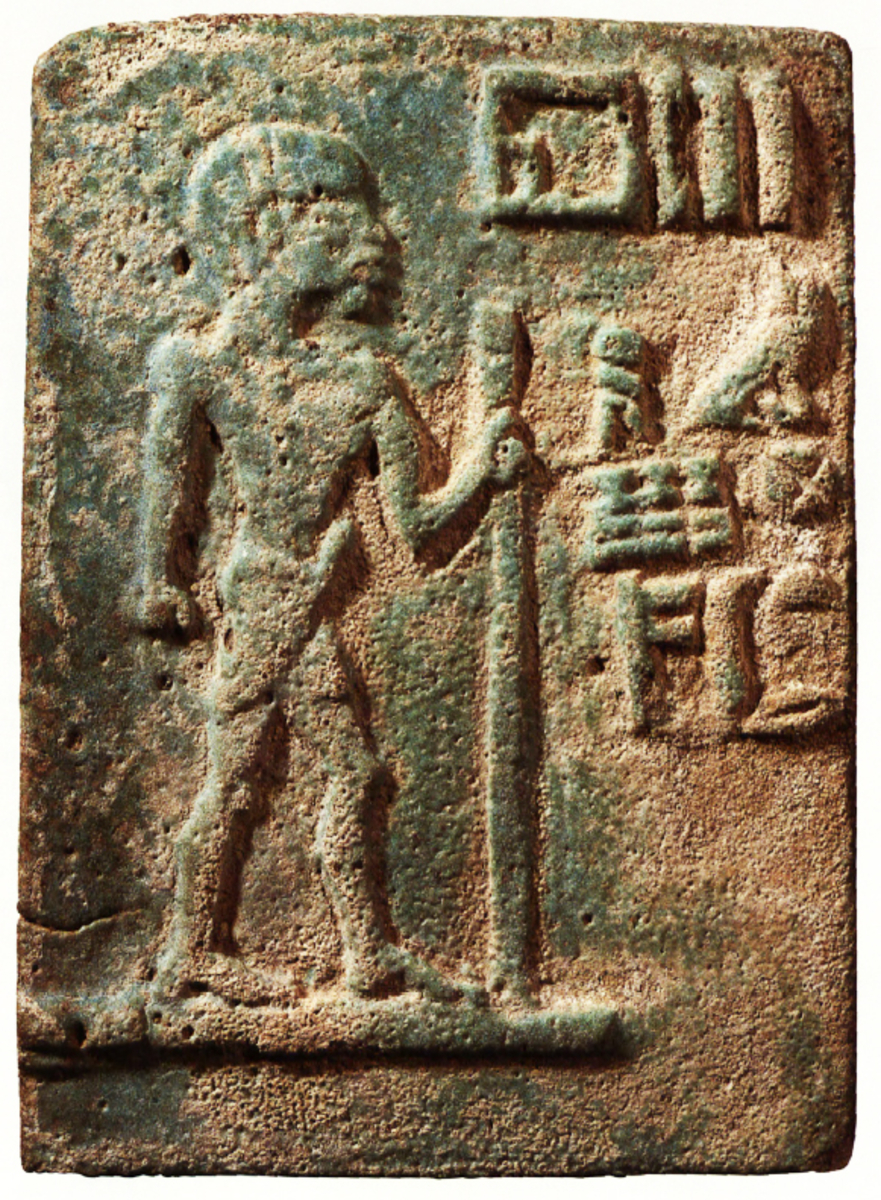
The Tera-Neter Tile is an important artifact reflecting the rich cultural heritage of ancient civilizations in the Nile Valley, particularly related to the Anu and their contributions to the development of Kush and Xamit.
Significance
- Symbolic Representation: The tile often features intricate designs that symbolize spiritual beliefs and practices of the ancient inhabitants, showcasing their connection to the divine.
- Artistic Techniques: Crafted using advanced techniques of pottery, the Tera-Neter Tile exemplifies the artistry of the Anu and their commitment to aesthetic expression.
- Cultural Exchange: The tile serves as a testament to the cultural exchanges between the Anu and neighboring civilizations, particularly in the realms of art and religion.
- Archaeological Context: Findings of the Tera-Neter Tile in excavations provide insights into the daily lives and religious practices of the Anu, illustrating how material culture can inform our understanding of ancient societies.
 Digital Information Publishing