

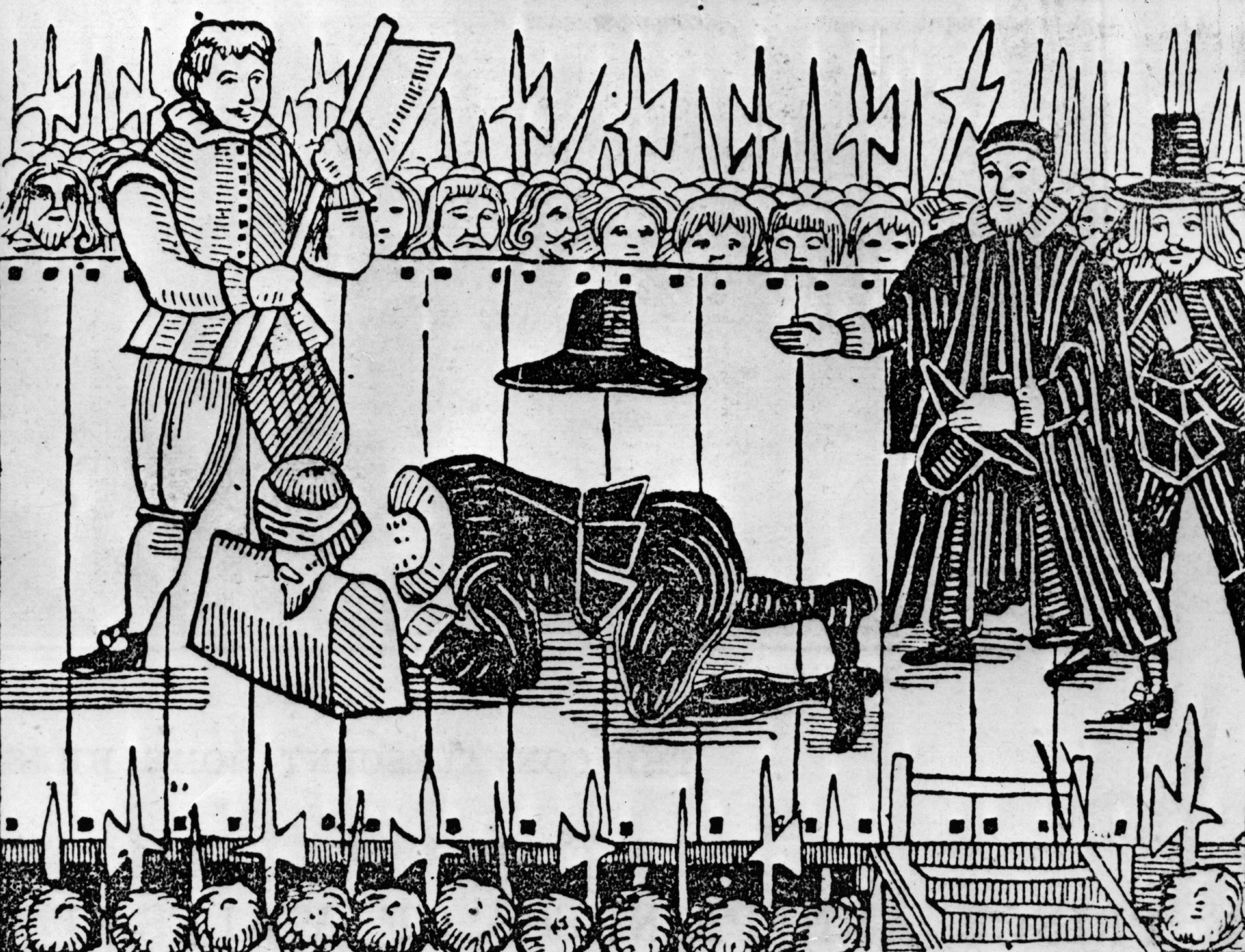
Capital punishment, or the death penalty, has a complex history in the United Kingdom. Here’s an overview of its evolution and current status:
Historical Context
- Early Development: The use of the death penalty in the UK can be traced back to ancient times, with records indicating that it was used for various offenses. Historically, it was applied for crimes ranging from murder to theft.
- 19th Century Reform: By the 19th century, a series of reforms began to limit the use of capital punishment. The number of crimes punishable by death was reduced significantly, and debates about its morality and effectiveness emerged.
- Abolition Movements: The abolitionist movement gained traction in the early 20th century. In 1965, the UK Parliament passed the Murder (Abolition of Death Penalty) Act, which temporarily suspended capital punishment for murder.
Permanent Abolition
- Permanent Ban: The death penalty was formally abolished for murder in 1965. In 1988, it was abolished for all other crimes, including treason and piracy.
- European Influence: The UK’s commitment to human rights and its membership in the European Union further solidified the abolition of the death penalty, aligning with the European Convention on Human Rights, which prohibits capital punishment.
Current Status
- Legal Framework: As of now, capital punishment is illegal in the United Kingdom. The country continues to advocate against the death penalty internationally, emphasizing human rights and the right to life.
- Public Opinion: While public opinion has fluctuated over the years, the current majority stance favors the abolition of the death penalty, with many believing in rehabilitation over retribution.
Bloody Code
Bloody Code
The term “Bloody Code” refers to the system of laws in England in the late 17th and early 18th centuries that imposed the death penalty for a wide range of offenses. This era saw a significant increase in the number of capital crimes, leading to criticism and eventual reform.
Key Aspects of the Bloody Code:
- Severity of Punishments: Under the Bloody Code, over 200 offenses were punishable by death, including minor crimes such as stealing a loaf of bread or a cow.
- Execution Methods: Hangings were the most common form of execution, and public executions were frequent, serving both as punishment and as a deterrent.
- Public Reaction: The harshness of the Bloody Code led to public outcry and debates about the morality and effectiveness of capital punishment. Many viewed it as excessively cruel and disproportionate to the crimes committed.
Decline of the Bloody Code
The Bloody Code began to decline as reform movements gained momentum in the 19th century. Advocacy for more humane treatment and the understanding of social issues surrounding crime contributed to the eventual reduction in capital offenses and the push for the abolition of the death penalty.
For more detailed information, you can refer to this resource.
 Digital Information Publishing