

Remote Viewing: A Paranormal Ability
What is Remote Viewing?
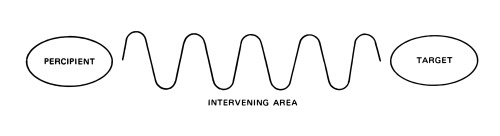
Remote viewing is a practice that involves perceiving or describing details about a distant or unseen target using extrasensory perception (ESP). This concept gained popularity in the 1970s, particularly in relation to various government projects investigating psychic phenomena.
Historical Background
The origins of remote viewing can be traced back to various ancient cultures where practices akin to it were observed. However, it was the U.S. government’s interest in psychic phenomena during the Cold War, particularly under programs like Stargate, that brought remote viewing into the spotlight. Researchers aimed to harness the potential of psychic abilities for military and intelligence purposes.
How Does It Work?
While the exact mechanisms of remote viewing are not well understood and remain contentious, it is generally believed that individuals who engage in this practice can tap into a collective consciousness or a universal source of information. Practitioners often enter a meditative state to enhance their ability to receive intuitive impressions.
Techniques and Protocols
Remote viewing typically follows specific protocols:
- Quiet Environment: Ensuring a distraction-free space.
- Relaxation Techniques: Practitioners may use meditation or breathing exercises to enter a focused state.
- Target Protocols: Defining the target clearly, often without any prior knowledge of it.
- Recording Impressions: Participants write or sketch their perceptions without filtering or analyzing them initially.
Applications of Remote Viewing
Remote viewing has been applied in various fields, including:
- Military Intelligence: Historically used to gather insights about enemy locations or strategies.
- Personal Insight: Individuals may use remote viewing for self-discovery or intuitive decision-making.
- Investigative Purposes: Some practitioners claim to use remote viewing to assist in solving crimes or locating missing persons.
 Digital Information Publishing