

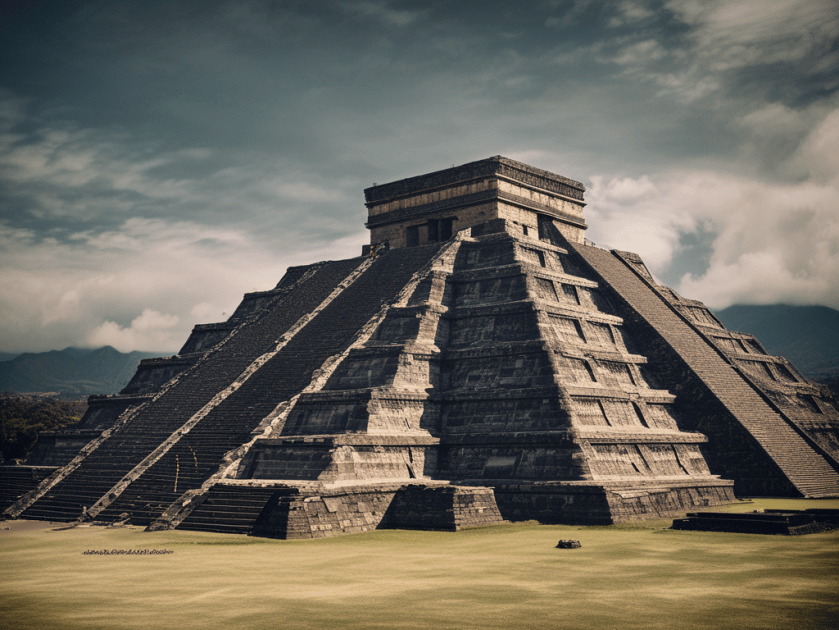
The ancient city of Teotihuacan, located in present-day Mexico, is a fascinating archaeological site that flourished between the 1st and 7th centuries AD. The name “Teotihuacan” means “the place where the gods were created” in the Nahuatl language, reflecting the city’s religious and cultural significance.
The priesthood of Teotihuacan played a central role in the city’s religious and ceremonial activities, overseeing rituals, sacrifices, and possibly even the political administration of the city. The precise details of their practices and beliefs are still a subject of ongoing research and exploration. Archaeological findings, including murals, artifacts, and the layout of the city itself, continue to provide valuable insights into the lives of the inhabitants of Teotihuacan and the significance of the priesthood within this ancient Mesoamerican society.
Kings And Queens Of Teotihuacan
King Pacal
King Tuun K’ab’ Hix Queen Ek’ Naah
King K’an I Queen Kʼal Kʼinich
King Yajaw Teʼ Kʼinich II Queen Batzʼ Ekʼ
 Digital Information Publishing