
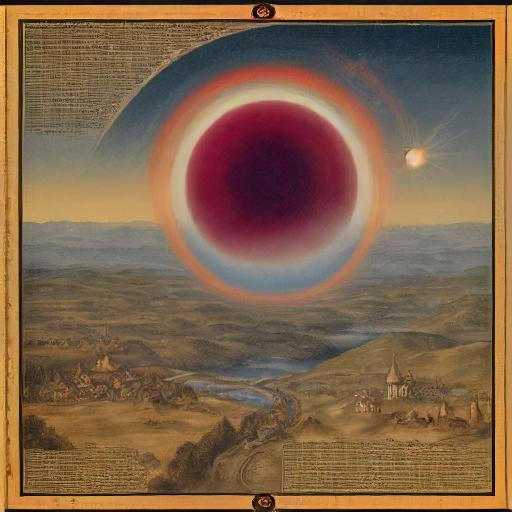
The Enuma Elis is an ancient Mesopotamian creation myth that has influenced various cultures and religions throughout history. In this epic narrative, Nibiru is described as a celestial body associated with the god Marduk. Nibiru is often depicted as a prominent and powerful force, linked to themes of kingship, destiny, and the cosmic order. Its appearance and role in the myth symbolize the cyclical nature of time and the divine authority of Marduk. As the Enuma Elis is a complex and multifaceted text, the portrayal of Nibiru encompasses both astronomical and metaphysical significance, making it a subject of fascination and interpretation for scholars and enthusiasts alike.
Marduk
Marduk is a central figure in Mesopotamian mythology, revered as the patron deity of the city of Babylon and later acclaimed as the supreme god in the Babylonian pantheon. As the protagonist in the Enuma Elis, Marduk is depicted as a powerful and heroic figure who battles the primordial forces of chaos and emerges victorious, establishing cosmic order and assuming kingship over the gods.
Marduk’s rise to prominence is closely linked to the Babylonian New Year festival, known as the Akitu, during which his sacred marriage to the goddess Inanna or Ishtar is celebrated, symbolizing the union of the divine forces of the cosmos. The Enuma Elis also portrays Marduk as the creator of mankind, shaping humanity from the blood of the vanquished chaos monster Tiamat.
His attributes and symbolism reflect his role as a ruler, warrior, and wise judge, embodying the qualities valued in Babylonian society. Marduk’s complex character and his prominent position in ancient Mesopotamian religion continue to intrigue scholars and enthusiasts, inspiring further exploration and analysis of his significance in the Enuma Elis and beyond.
Akitu
 Digital Information Publishing