

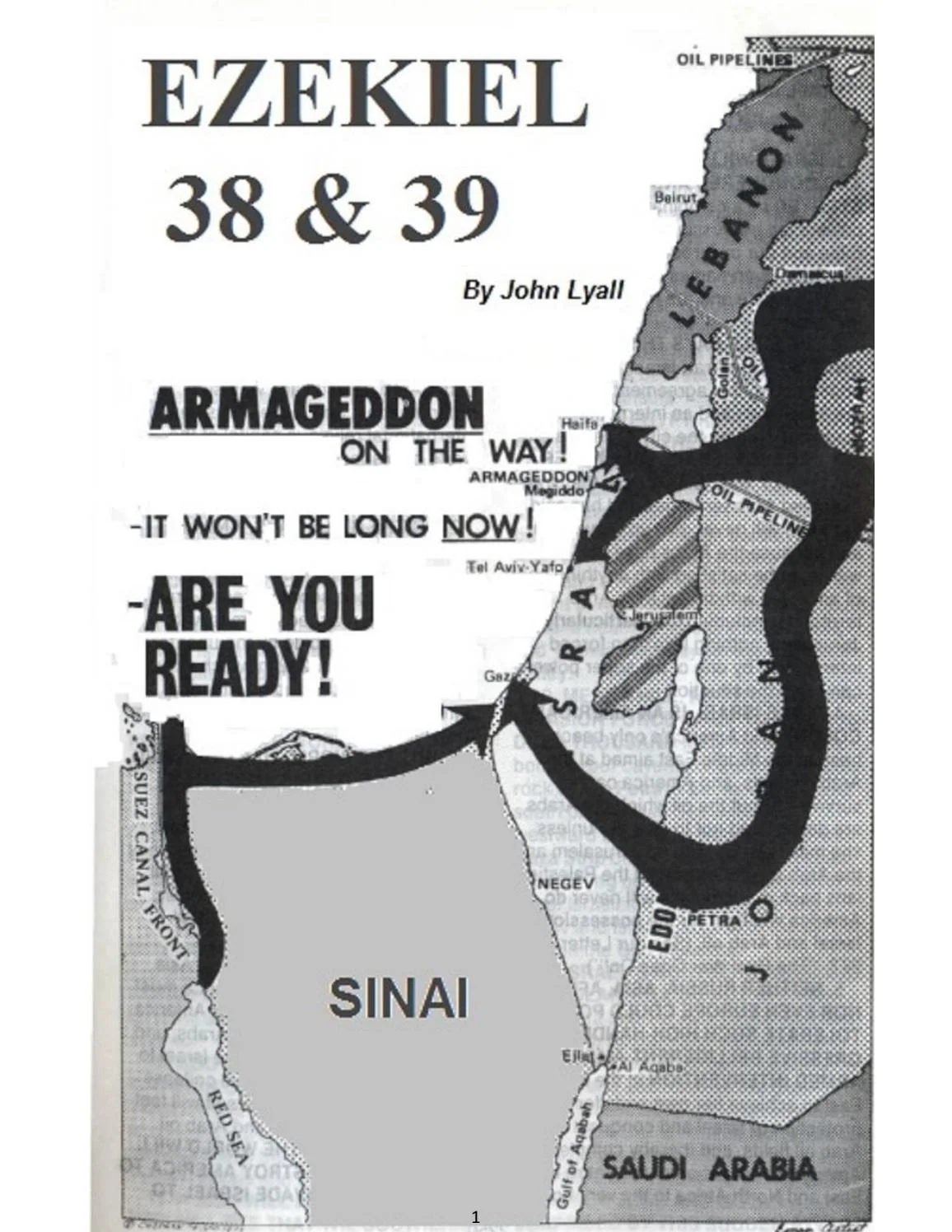
The Book of Ezekiel and the Prophecy of Hamonah
The Book of Ezekiel is a prophetic book in the Hebrew Bible (Old Testament) that is traditionally ascribed to the prophet Ezekiel. It contains a diverse range of visions, prophecies, and oracles. One notable prophecy is the mention of Hamonah, which is described in Ezekiel 39:16-20.
In this passage, Hamonah is depicted as a city associated with a gathering of people to bury the dead. The prophecy speaks of a valley called “Hamon-Gog” where the multitude of Gog’s armies will be buried, and the city of Hamonah will be named as the place where this mass burial occurs.
The significance of Hamonah within the broader context of Ezekiel’s prophecies has been the subject of interpretation and discussion among theologians and scholars. The imagery and symbolism within Ezekiel’s prophecies often require careful consideration and cultural context to fully comprehend.
It is important to approach the study of Ezekiel, including the prophecy of Hamonah, with an awareness of historical, literary, and theological factors that shape its meaning. Different interpretations and perspectives on this prophecy exist among scholars, reflecting the depth and complexity of the text.
Where Is Hamonah Located Today?
https://www.openbible.info/geo/ancient/a154d7b/hamonah
Transjordan
Transjordan, also known as the East Bank, is the region located to the east of the Jordan River. This area encompasses the modern-day country of Jordan and portions of present-day Israel, Palestine, and Syria. Historically and geographically, Transjordan holds significant importance, and its diverse cultural heritage, landscapes, and historical sites continue to draw interest from scholars, travelers, and enthusiasts.
 Digital Information Publishing