

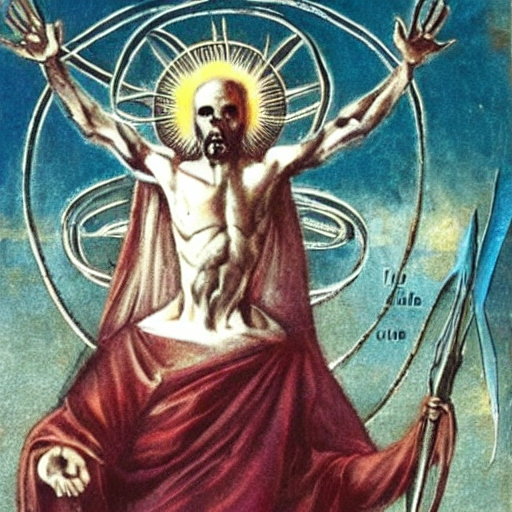
The concept of the Anti-Christ varies across different religious and cultural beliefs. In Christianity, the Anti-Christ is commonly associated with a figure who opposes Christ and works against His teachings. In Islamic eschatology, the Dajjal is similar to the concept of the Anti-Christ. It’s important to note that interpretations and beliefs about the Anti-Christ vary widely, and it’s a topic of theological and eschatological discussion.
Anti-Christ According To The Bible
The concept of the Anti-Christ in the Bible is rooted in the New Testament, particularly in the letters of John. According to these scriptures, the Anti-Christ is aligned with falsehood and deception, leading people away from the true teachings of Christ. The book of Revelation also mentions the Anti-Christ as a figure of great influence and opposition to God’s will. Various interpretations and beliefs about the Anti-Christ exist within Christian theology, contributing to diverse perspectives on this significant eschatological figure.
Letters To John
Letters to John
The letters of John, also known as the Epistles of John, are three New Testament books attributed to John the Apostle: 1 John, 2 John, and 3 John. These letters are significant in Christian theology as they address issues of faith, truth, love, and the nature of God. 1 John emphasizes the importance of love and righteousness, 2 John warns against false teachings and advocates for truth, and 3 John focuses on hospitality and support for traveling missionaries. These letters continue to be studied and revered by Christians for their spiritual and ethical teachings.
The Book Of Revelation
The Book Of Revelation
The Book of Revelation, also known as the Apocalypse of John, is the final book of the New Testament. It is attributed to John the Apostle and presents a complex and vivid portrayal of apocalyptic visions, including prophecies about the end times, the second coming of Christ, and the ultimate triumph of good over evil.
Revelation is characterized by its rich symbolism, including the infamous “Four Horsemen of the Apocalypse” and the “Beast” often associated with the Anti-Christ. The book’s imagery and cryptic language have inspired countless interpretations and have had a profound influence on Christian eschatology and popular culture.
The themes of perseverance, faithfulness, and the ultimate victory of God’s kingdom are central to the message of Revelation, offering hope and encouragement to believers in the face of tribulation.
This profound and enigmatic text continues to captivate theologians, scholars, and artists, as they seek to unravel its mysteries and glean wisdom from its apocalyptic visions.
Dajjal
Dajjal in Islamic Eschatology
In Islamic eschatology, the concept of the Dajjal bears similarity to the Christian concept of the Anti-Christ. The Dajjal is depicted as a false messiah who will spread mischief and deception on Earth before the Day of Judgment. Islamic tradition describes the Dajjal as a figure with one eye, symbolizing his distorted spiritual insight. His arrival is believed to be accompanied by widespread confusion and tribulation, testing the faith of humanity.
Various Islamic traditions and hadiths provide detailed descriptions of the Dajjal’s characteristics and the events surrounding his emergence. Belief in the Dajjal is an integral part of eschatological teachings in Islam, underlining the importance of discernment, steadfastness, and adherence to true faith in the face of spiritual trials.
The concept of the Dajjal serves as a reminder of the transient nature of worldly temptations and the significance of upholding genuine faith and righteousness, as emphasized in Islamic eschatological narratives.
 Digital Information Publishing