

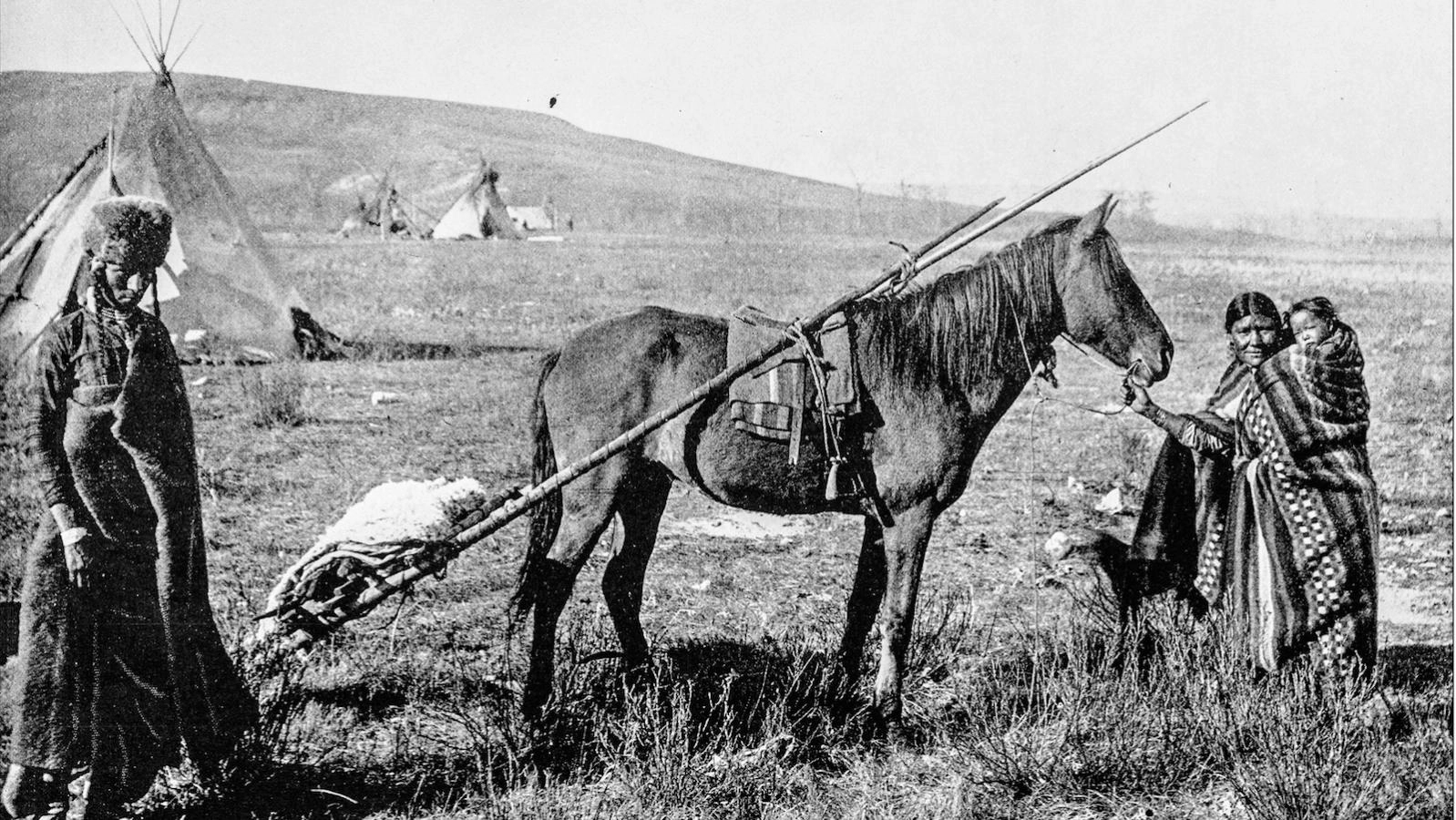
The theory of Semitic first settlers in the Americas is a topic of ongoing debate among historians and archaeologists. While some researchers have proposed evidence suggesting the presence of Semitic individuals in the ancient Americas, the majority consensus within the academic community is that the first inhabitants of the Americas migrated from Asia via the Bering land bridge. This theory is supported by archaeological, genetic, and linguistic evidence. However, it’s important to note that our understanding of early human migration is continually evolving as new discoveries are made and new technologies are developed.
Bering Land Bridge
The Bering Land Bridge, also known as Beringia, was a land bridge that connected the continents of Asia and North America during the last ice age. This geographical feature played a crucial role in the migration of early humans from Asia to the Americas, providing a pathway for human settlement and the passage of plants and animals between the two continents. The submersion of the land bridge due to rising sea levels approximately 11,000 years ago marked the separation of the indigenous populations of the Americas from those of Asia. This event also led to the development of distinct cultures and societies in the Americas.
Ten Lost Tribes Of Israel
The Ten Lost Tribes of Israel refer to the ancient tribes of Israel that were said to have been deported from the Kingdom of Israel after its conquest by the Neo-Assyrian Empire. According to tradition, these ten tribes were exiled and subsequently became lost to history, with various theories and legends emerging about their potential fates and whereabouts.
The concept of the Ten Lost Tribes has captured the imagination of many, leading to numerous theories and claims about their descendants being found in different parts of the world, including the Americas. These claims often intersect with the discussion of Semitic origins in the Americas, adding to the complexity of the historical and archaeological narratives surrounding early human migrations.
The topic continues to be the subject of scholarly research, speculative theories, and cultural interpretations as people seek to unravel the mysteries surrounding the fate of the Ten Lost Tribes and their potential impact on global history and heritage.
Is Arzareth America?
Arzareth is a location mentioned in the Hebrew Bible, specifically in the Book of Deuteronomy. According to some interpretations, Arzareth is thought to possibly be a reference to a distant land or region, and there have been speculations linking it to the Americas. Various theories and claims have emerged suggesting that Arzareth could be connected to the Americas, particularly in discussions about the potential presence of Semitic peoples in the ancient Americas.
However, it’s important to note that these theories are speculative and are a subject of ongoing debate among historians, archaeologists, and scholars. The connection between Arzareth and the Americas remains a topic of interest and inquiry, contributing to the complex narrative of early human migrations and historical interpretations.
For more information, you can visit the Wikipedia page on the Ten Lost Tribes of Israel at Ten Lost Tribes of Israel – Wikipedia
In Second [also called Fourth] Esdras, 13:39-47
The passage in Second (also called Fourth) Esdras, 13:39-47 references the migration of the tribes of Israel to a distant land. This text has led to speculation and theories about the potential connection between this migration and the ancient Americas. The concept of Arzareth, mentioned in the Hebrew Bible, has been linked to these discussions, contributing to ongoing debates among historians, archaeologists, and scholars regarding the early human migrations and historical interpretations. The potential relevance of this passage to the topic of Semitic first settlers in the Americas adds an additional layer of complexity to the overall narrative.
 Digital Information Publishing