

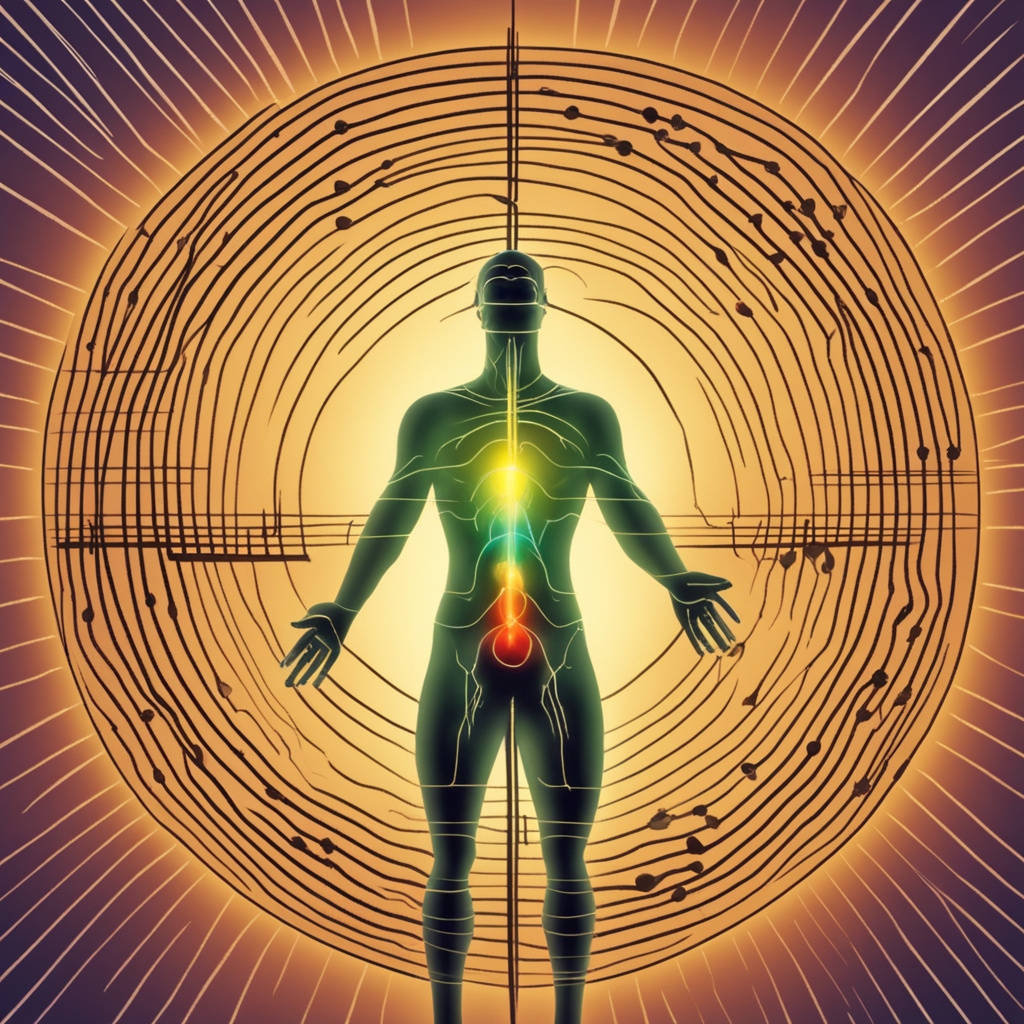
Sound, frequency, and hertz play a crucial role in our everyday lives, influencing our perception of the world around us and the functioning of various technologies. Here are some key points about the power and different levels of sound/frequency/hertz:
- Sound: Sound is a form of energy created by vibrations. These vibrations travel through a medium such as air, water, or solid materials. Our ears perceive these vibrations and interpret them as sound.
- Frequency: Frequency refers to the number of vibrations or cycles of a wave within a given time period. In the context of sound, it determines the pitch of the sound. Higher frequencies result in higher-pitched sounds, while lower frequencies produce lower-pitched sounds.
- Hertz (Hz): Hertz is the unit used to measure frequency, representing one cycle per second. For example, a sound wave with a frequency of 100 Hz completes 100 cycles in one second.
- Different Levels: Sound frequencies cover a wide spectrum, from infrasound (below 20 Hz) to audible sound (20 Hz to 20,000 Hz) to ultrasound (above 20,000 Hz). Each range has different properties and applications. For example, infrasound is associated with natural phenomena like earthquakes, while ultrasound is used in medical imaging and industrial applications.
Understanding the power and different levels of sound, frequency, and hertz is essential in fields such as acoustics, music, communication technology, and healthcare.
Higher Frequencies Create Positivity
Higher frequencies in the context of sound are associated with positivity. In the realm of acoustics and perception, higher frequencies result in higher-pitched sounds, which can contribute to a sense of brightness and positivity. This phenomenon is interconnected with the fundamental nature of sound, frequency, and hertz, influencing our everyday experiences and technological applications.
In the context of sound and perception, frequencies associated with positivity tend to fall within the higher range. Frequencies around 5,000 Hz and above are often linked with brightness, positivity, and clarity. These higher frequencies are commonly found in sounds like bird songs, laughter, and the ringing of children’s laughter. While the association between specific hertz levels and emotions is subjective, higher frequencies are generally perceived as uplifting and positive.
 Digital Information Publishing