

The Pyramids of Giza and Sudan are two significant archaeological sites with impressive pyramid structures.
Pyramids of Giza:
The Pyramids of Giza, located on the outskirts of Cairo, Egypt, are one of the Seven Wonders of the Ancient World. These pyramids were built as tombs for the pharaohs during the Old Kingdom period of ancient Egypt. The three main pyramids in Giza are the Great Pyramid of Giza (also known as the Pyramid of Khufu or Cheops), the Pyramid of Khafre, and the Pyramid of Menkaure. These structures showcase the incredible engineering skills and the architectural magnificence of the ancient Egyptians.
Pyramid of Khufu or Cheops
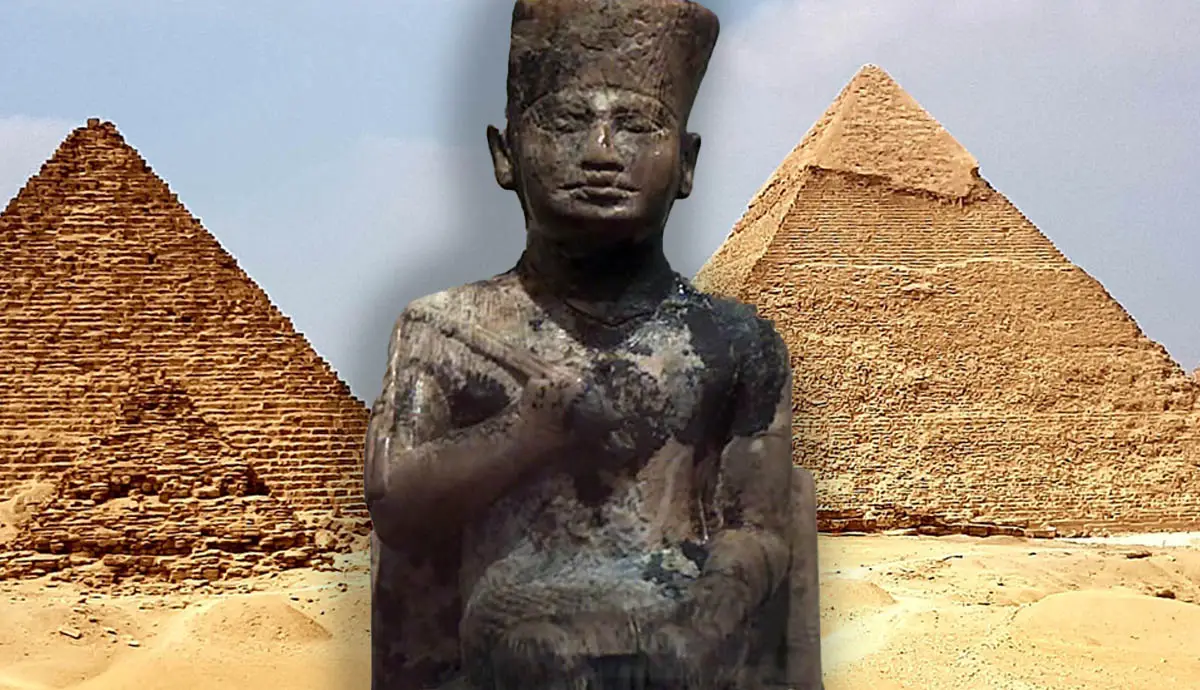
Pyramid of Khafre
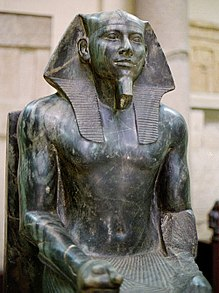
Pyramid Of Menkaure
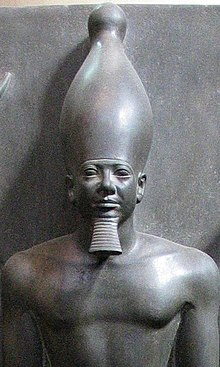
Pyramids of Sudan:
The pyramids of Sudan, also known as the Nubian pyramids, can be found in the northern part of Sudan, near the Nile River. These pyramids were constructed by the ancient Kingdom of Kush, a civilization that rivaled ancient Egypt. Although they may not be as famous as the pyramids in Egypt, the Nubian pyramids have their own unique charm and historical significance. Unlike the smooth-sided pyramids in Giza, the Nubian pyramids have steep slopes and smaller sizes. They served as burial sites for kings and queens of the Kushite dynasty.
Both the Pyramids of Giza and Sudan are remarkable structures that offer fascinating insights into the ancient civilizations that built them. They are testament to the impressive architectural and engineering abilities of their respective societies.
 Digital Information Publishing